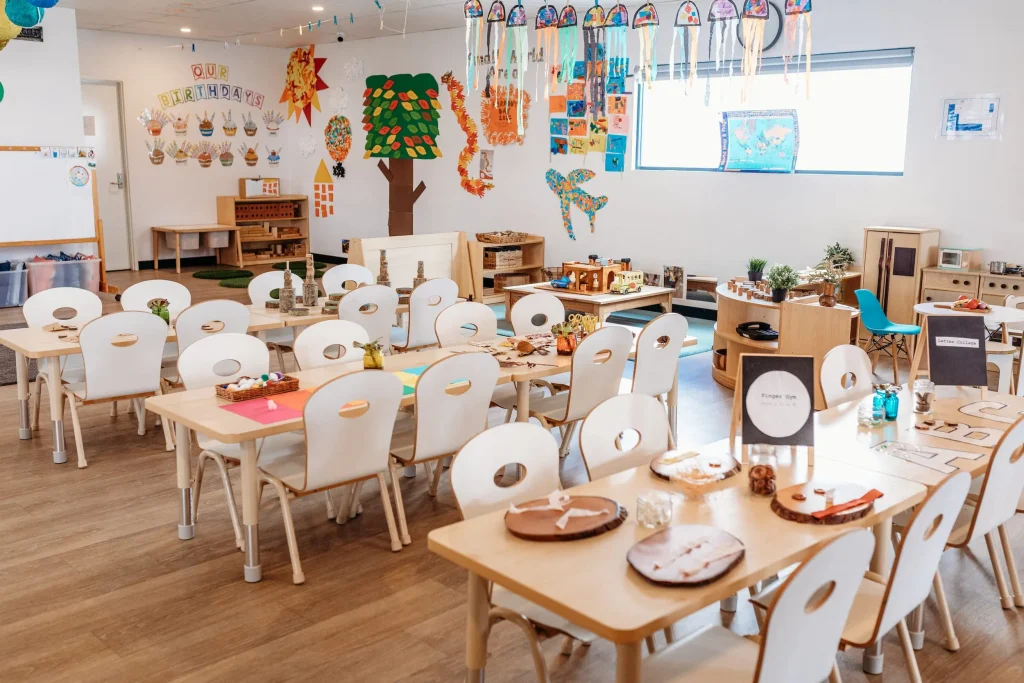


How we learn in the Waterfood Room
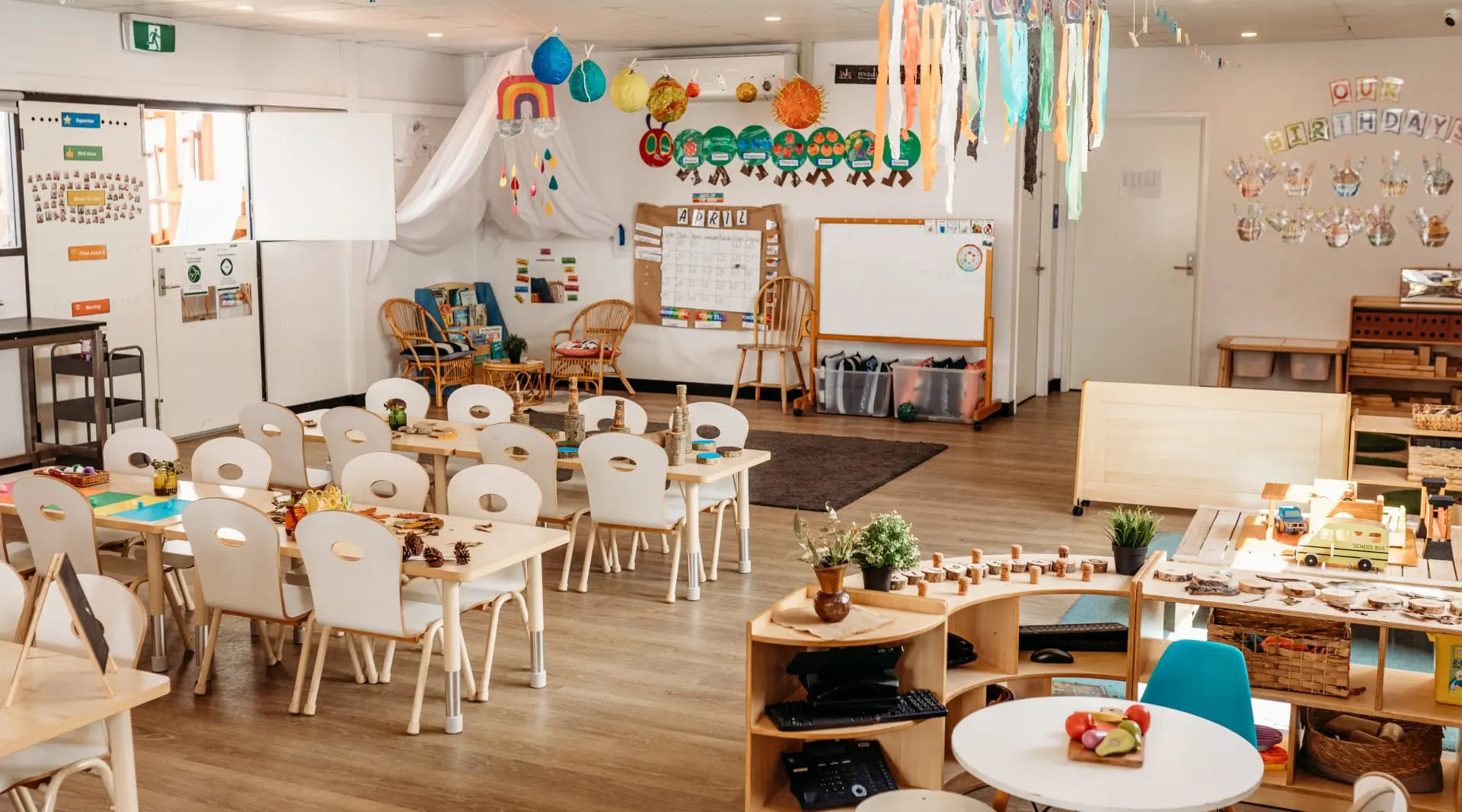
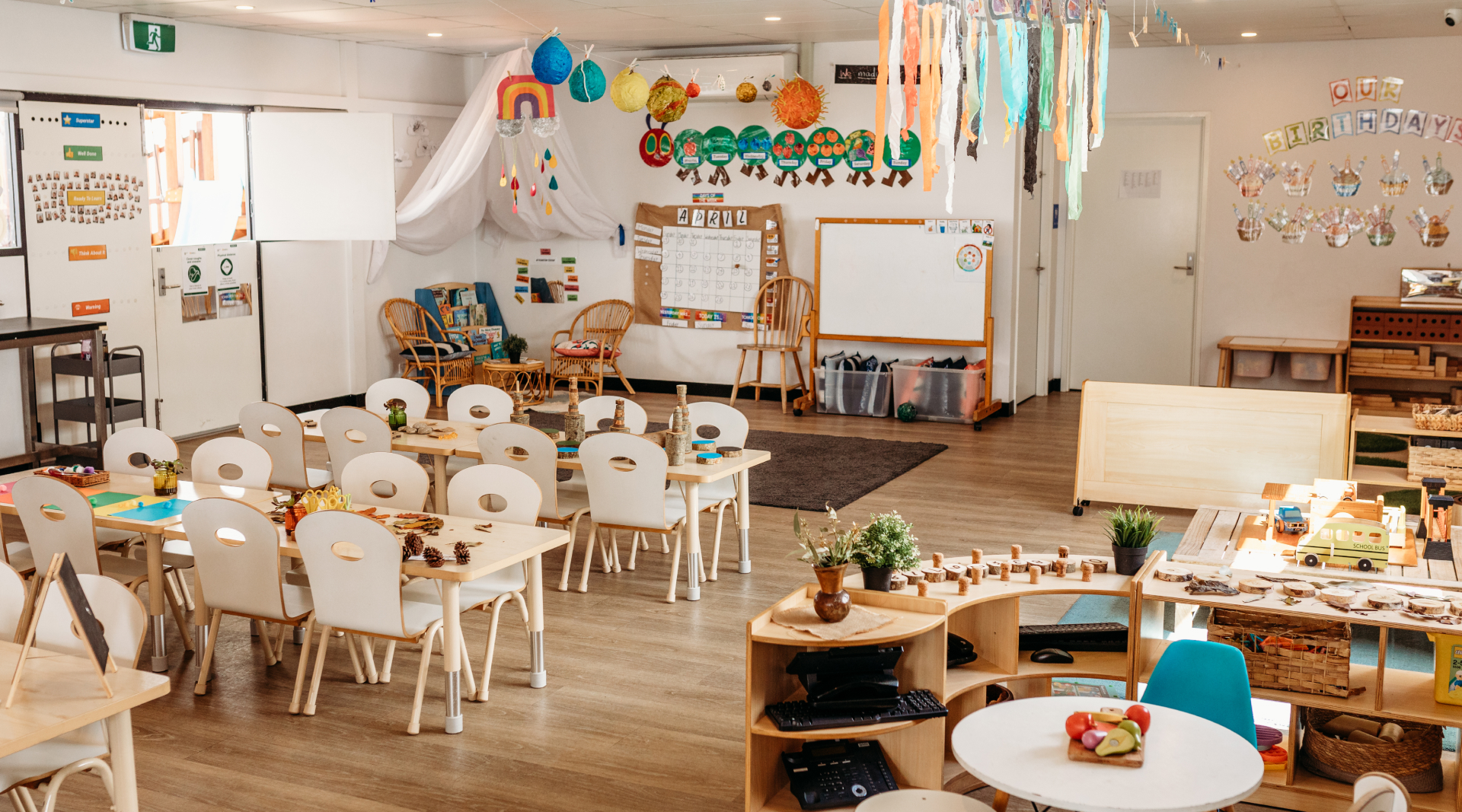
Our Waterford room is where curious minds thrive. Designed for children aged three to five, it’s an inspiring and dynamic environment where preschoolers extend their thinking, creativity, and independence as they prepare for the next stage of their learning journey.
Guided by the Reggio Emilia philosophy, our educators create meaningful experiences that foster problem-solving, collaboration, and a genuine love of learning. Every day is filled with play, projects, and opportunities to build the skills they’ll carry into school and beyond.
Growing independence
Developing independence is a key focus at this stage. By three, children are eager to do more for themselves — and we’re here to support that. In the Waterford room, your child will practice essential life skills such as putting on their own shoes, washing their hands, and managing their belongings.
They also learn to care for others and take responsibility for daily routines. These small but significant steps help children build confidence, resilience, and a strong sense of pride in their achievements.
Play with purpose
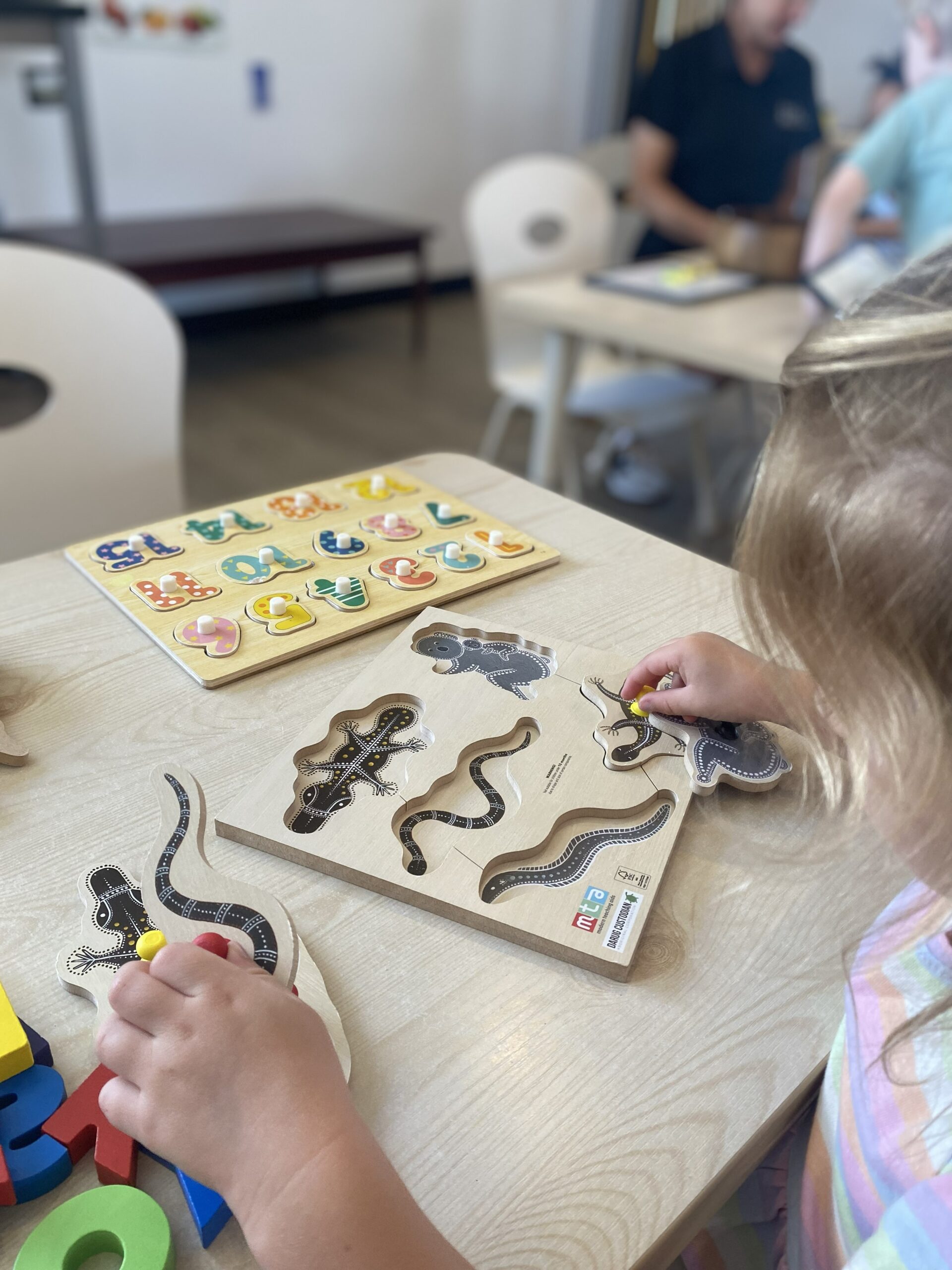
Our pre-kindy program strikes a balance between child-initiated exploration and teacher-led experiences. Guided by curiosity and imagination, children are encouraged to explore, ask questions, and make discoveries through hands-on, play-based learning.
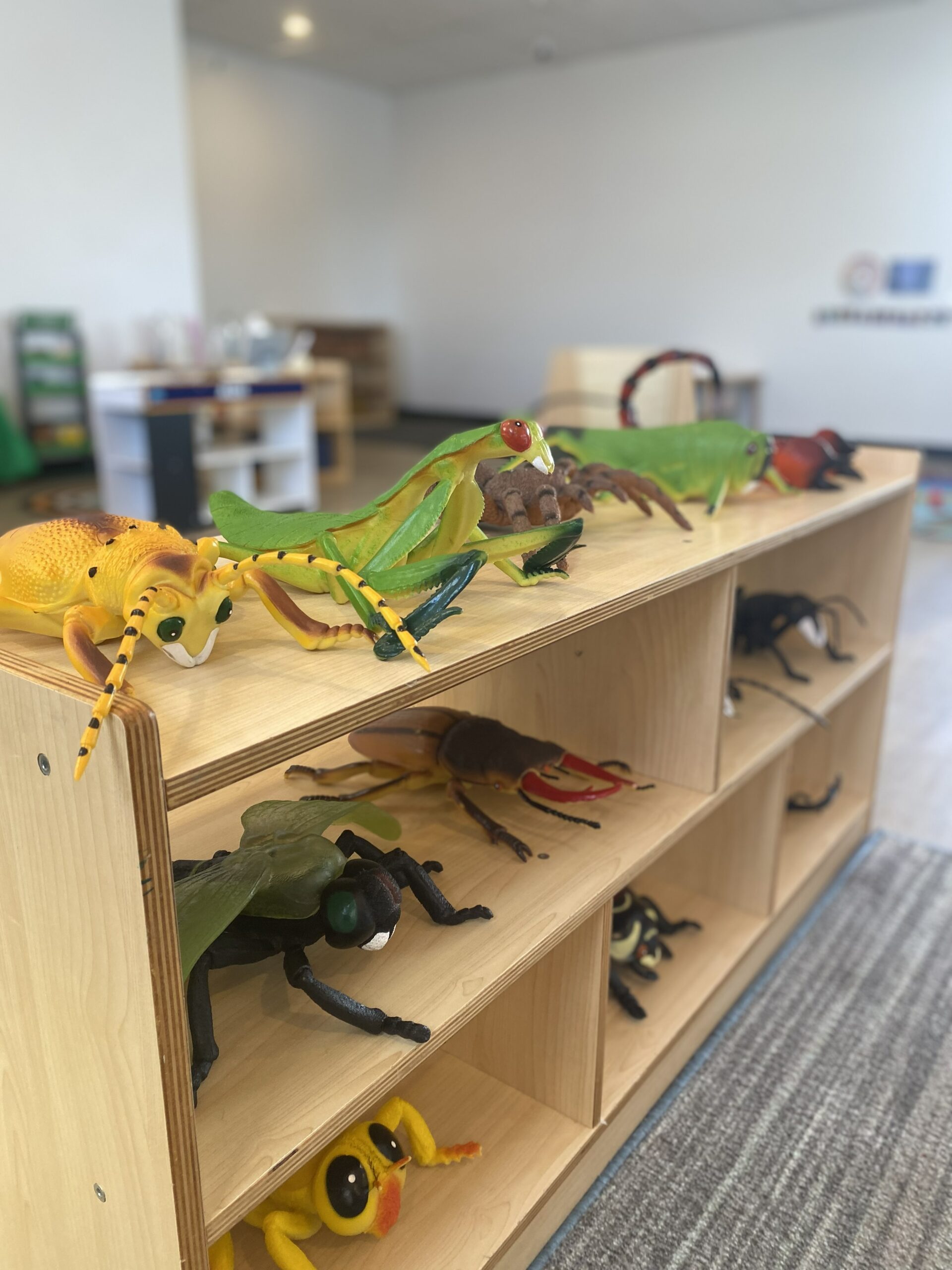
One day might involve creating a worm farm inspired by what they’ve found in the garden; another might see them exploring letters and numbers through stories, songs, or group projects.
Every experience is designed to strengthen not only early literacy and numeracy but also problem-solving, collaboration, and social-emotional development.
Experiences beyond the room
Learning extends well beyond the classroom walls. Children in the Waterford room enjoy a variety of incursions — from sport and yoga to visits from community educators — that spark new interests and connections.
We also venture out on excursions around inglewood, giving children real-world opportunities to engage with their community, develop a sense of belonging, and see learning come to life in meaningful ways.